Ultimate Guide to Vehicle Paint Restoration: Tips for Restoring Your Car’s Shine
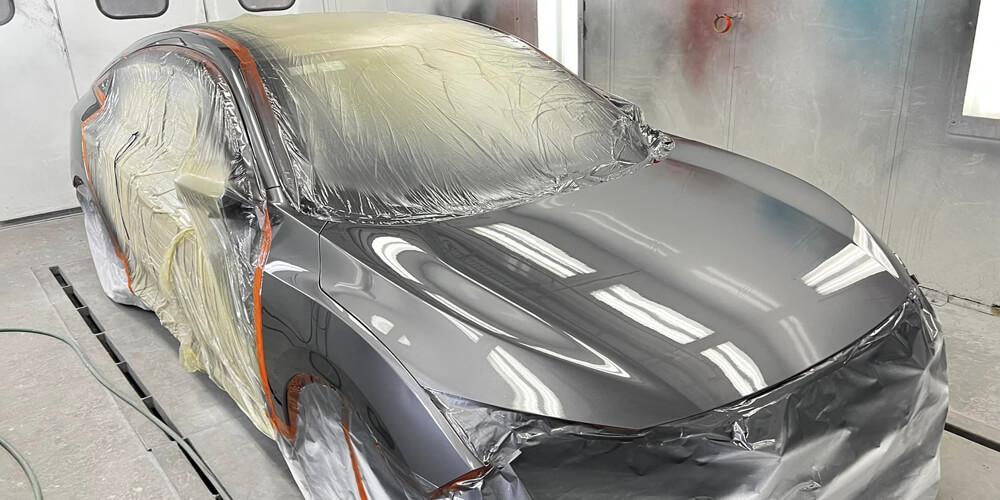
Restoring the paint on a vehicle is not only about aesthetics but also about preserving the car’s value and longevity. Over time, exposure to the elements can cause a car’s paint to fade, chip, or develop unsightly blemishes. A well-maintained exterior can enhance your vehicle?s appearance and reflect the care you invest in your possessions. Whether you’re a seasoned car enthusiast or a casual driver looking to rejuvenate your car’s shine, understanding the fundamentals of vehicle paint restoration is essential. This guide aims to provide insights and techniques to help restore and maintain your car’s paintwork effectively.
Understanding Vehicle Paint Restoration
What is Paint Restoration?
Vehicle paint restoration is the process of rejuvenating a car’s exterior by addressing issues like oxidation, scratches, and dullness. The goal is to bring back the paint’s original luster and shine, often achieving results that are as close to factory condition as possible. Find out more about this approach.
Why is it Important?
Maintaining a car’s paintwork is crucial not just for aesthetic reasons but also to protect the vehicle from rust and corrosion. A well-preserved paint job acts as a shield against environmental factors such as UV rays, rain, and pollutants.
Steps to Restore Your Vehicle’s Paint
1. Thoroughly Wash the Vehicle
Begin by cleaning the vehicle to remove dirt, grime, and any contaminants. This step prepares the surface for further treatment.
- Use a high-quality car shampoo and a soft sponge or mitt.
- Avoid harsh detergents that can strip paint protection.
- Rinse thoroughly to ensure no soap residue remains.
2. Inspect and Repair
Once clean, inspect the car for scratches, chips, and other imperfections. Addressing these issues early can prevent further damage.
- Use touch-up paint to fill in chips and scratches.
- Consider professional services for deep scratches. Learn about our tailored solutions.
3. Polish the Surface
Polishing is key to removing minor scratches and restoring the paint’s shine. It involves gently abrading the surface to smooth out imperfections.
- Use a quality polish and soft cloth or polishing pad.
- Work in small sections for better control and coverage.
4. Apply a Protective Wax or Sealant
After polishing, applying a wax or sealant helps protect the paint and enhance its shine.
- Choose between natural waxes and synthetic sealants depending on your preference.
- Apply evenly and buff to a glossy finish.
Maintaining the Restored Shine
Regular Washing and Detailing
Consistent upkeep is crucial for maintaining the results of a paint restoration. Regular washing and detailing will help preserve the finish.
- Wash your vehicle regularly to prevent dirt accumulation.
- Use quality products designed for automotive care.
Periodic Protective Coatings
Reapplying wax or sealant every few months can help sustain the restored appearance of your vehicle. Explore advanced guides and tips.
Conclusion
Vehicle paint restoration is an investment in both the appearance and longevity of your car. By understanding the process and implementing these steps, you can achieve a showroom-quality shine and ensure your vehicle remains protected against environmental damage. For those seeking professional assistance, discover expert strategies here. Taking the right approach can make all the difference in showcasing your car’s true beauty.