Key Steps in a Phase 1 Environmental Site Evaluation
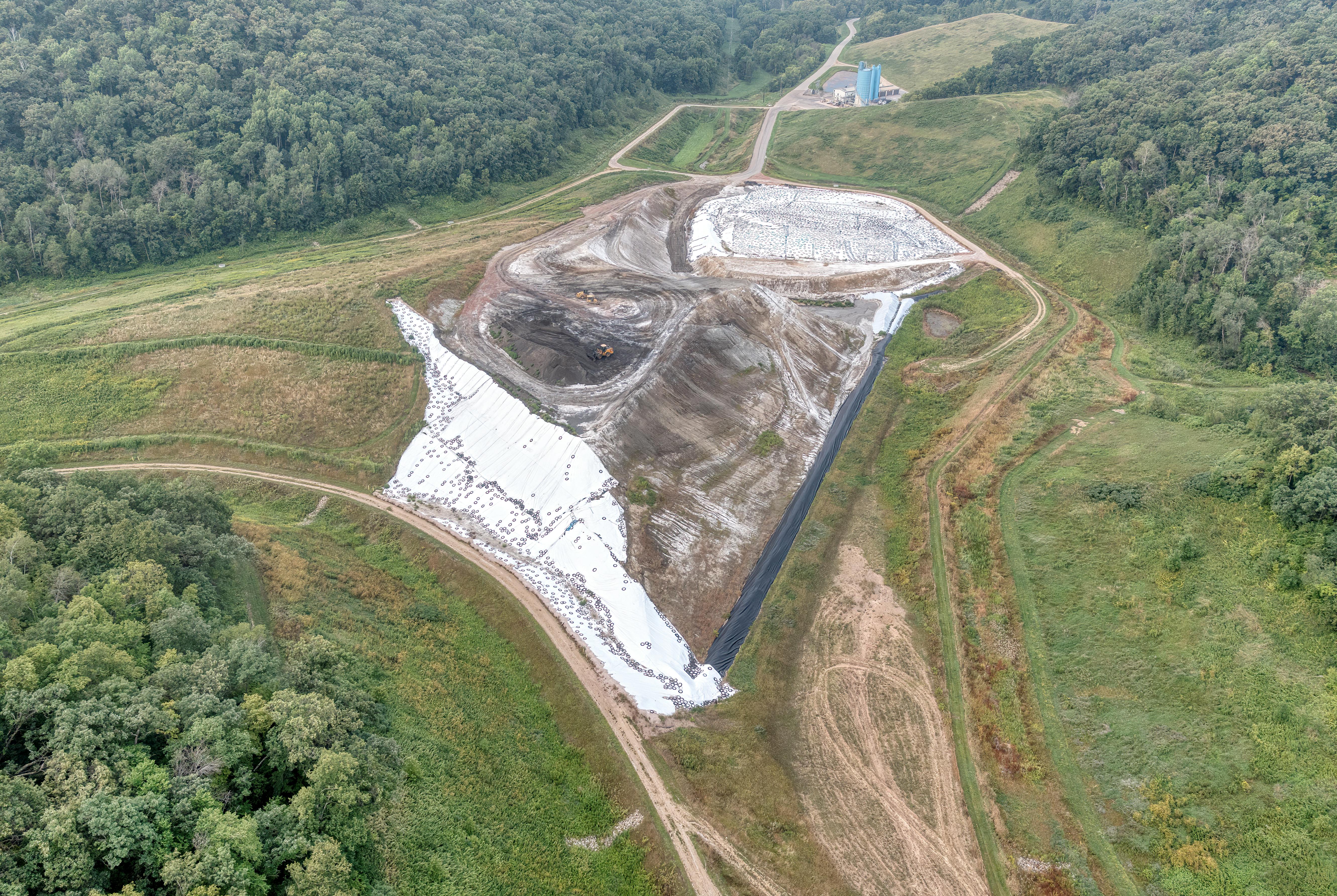
A Phase”?1 Environmental Site Evaluation (ESE) is the cornerstone of responsible property acquisition, redevelopment, and financing. By systematically identifying potential contamination risks before a transaction closes, stakeholders can make informed decisions, mitigate liability, and protect both financial and environmental interests. This article outlines the essential steps that constitute a thorough Phase”?1 assessment, providing a clear roadmap for professionals who need to navigate regulatory requirements while maintaining project momentum.
1. Define Project Scope and Objectives
Before any field work begins, it is critical to establish the purpose of the evaluation. Whether the goal is to satisfy lender requirements, comply with regulatory due diligence, or support a merger-and-acquisition strategy, a well-defined scope determines the depth of investigation and the resources allocated.
Key considerations
- Identify the property boundaries and any adjoining parcels that may influence the site.
- Determine the level of regulatory scrutiny required (e.g., local, state, federal).
- Clarify the intended future use of the land, as different uses trigger distinct environmental thresholds.
2. Gather Historical and Current Records
A comprehensive review of historical documentation forms the backbone of the assessment. This step involves collecting data from a variety of sources to build a chronological picture of site activities.
Typical sources
- Title abstracts, deeds, and property tax records.
- Sanborn fire insurance maps and aerial photographs dating back several decades.
- Environmental databases such as the EPA’s Superfund site list, RCRAInfo, and state brownfield inventories.
- Local government archives, including building permits, zoning changes, and waste disposal permits.
3. Conduct a Site Walk-Through
The physical inspection validates the documentary findings and uncovers visual clues that may indicate contamination. A systematic walk-through should be performed by a qualified environmental professional (EP) familiar with the region’s industrial history and typical pollutant pathways.
Observational checklist
- Stained soils, discolored water, or unusual odors.
- Presence of storage tanks, drums, or abandoned equipment.
- Signs of erosion, runoff, or drainage alterations that could transport contaminants.
- Adjacent land uses that might impact the subject property (e.g., former gas stations, manufacturing plants).
4. Evaluate Potential Recognized Environmental Conditions (RECs)
RECs are the heart of a Phase”?1 report. They represent any past or present conditions that may pose a contamination risk. The EP must assess each identified condition against regulatory thresholds and determine whether further investigation, such as a Phase”?2 sampling, is warranted.
Categories of RECs
- Historical releases: Leaks, spills, or disposal activities documented in historical records.
- Current operations: Ongoing activities that could generate hazardous waste or emissions.
- Adjacent properties: Contamination that may migrate across property lines.
- Regulatory findings: Prior enforcement actions, violations, or mandated corrective measures.
5. Prepare the Written Report
The final deliverable synthesizes all findings into a clear, concise document that can be reviewed by lenders, regulators, and legal counsel. The report must adhere to the ASTM”?E1527-21 standard (or the most current version) and include the following sections:
- Executive summary highlighting key conclusions.
- Detailed description of the site, its history, and surrounding land uses.
- Methodology used for records review, site inspection, and REC evaluation.
- List of identified RECs with supporting evidence.
- Conclusions regarding the need for additional investigation.
- Professional qualifications of the EP and a statement of compliance with applicable standards.
6. Review and Decision-Making
Stakeholders use the Phase”?1 findings to decide on the next steps. Options may include proceeding with the transaction as planned, negotiating price adjustments, implementing risk-based remediation, or commissioning a Phase”?2 environmental investigation.
For those seeking a reliable assessment that meets industry best practices, engaging an experienced provider of phase 1 environmental services can streamline the process and ensure regulatory compliance.
7. Follow-Up Actions and Documentation
Even after a Phase”?1 is completed, maintaining thorough documentation is essential. Should future land-use changes occur or new information emerge, the original report serves as a baseline for any additional assessments.
- Archive all raw data, photographs, and interview notes.
- Update the record-keeping system whenever new environmental information becomes available.
- Consider periodic re-evaluations for long-term holdings or properties with evolving surrounding uses.
Conclusion
A meticulous Phase”?1 Environmental Site Evaluation protects investments, safeguards public health, and fulfills legal obligations. By following the structured steps, defining scope, gathering records, performing a site walk-through, assessing RECs, drafting a compliant report, and making informed decisions, professionals can confidently address environmental risk while advancing their projects. When the need arises for a specialized assessment, turning to a qualified firm that offers phase one environmental expertise ensures that the evaluation is both thorough and defensible.