Best Supplements to Gain Muscle: Top Picks for Effective Gains
Building lean, functional muscle requires more than just a solid training regimen and a balanced diet. The right supplementation can accelerate recovery, enhance protein synthesis, and provide the micronutrients necessary for optimal performance. While individual needs vary, certain supplements consistently demonstrate strong scientific backing for muscle hypertrophy. This guide reviews the most effective options, explains how they work, and offers practical tips for integrating them into a comprehensive muscle-building program.
1. Creatine Monohydrate – The Gold Standard
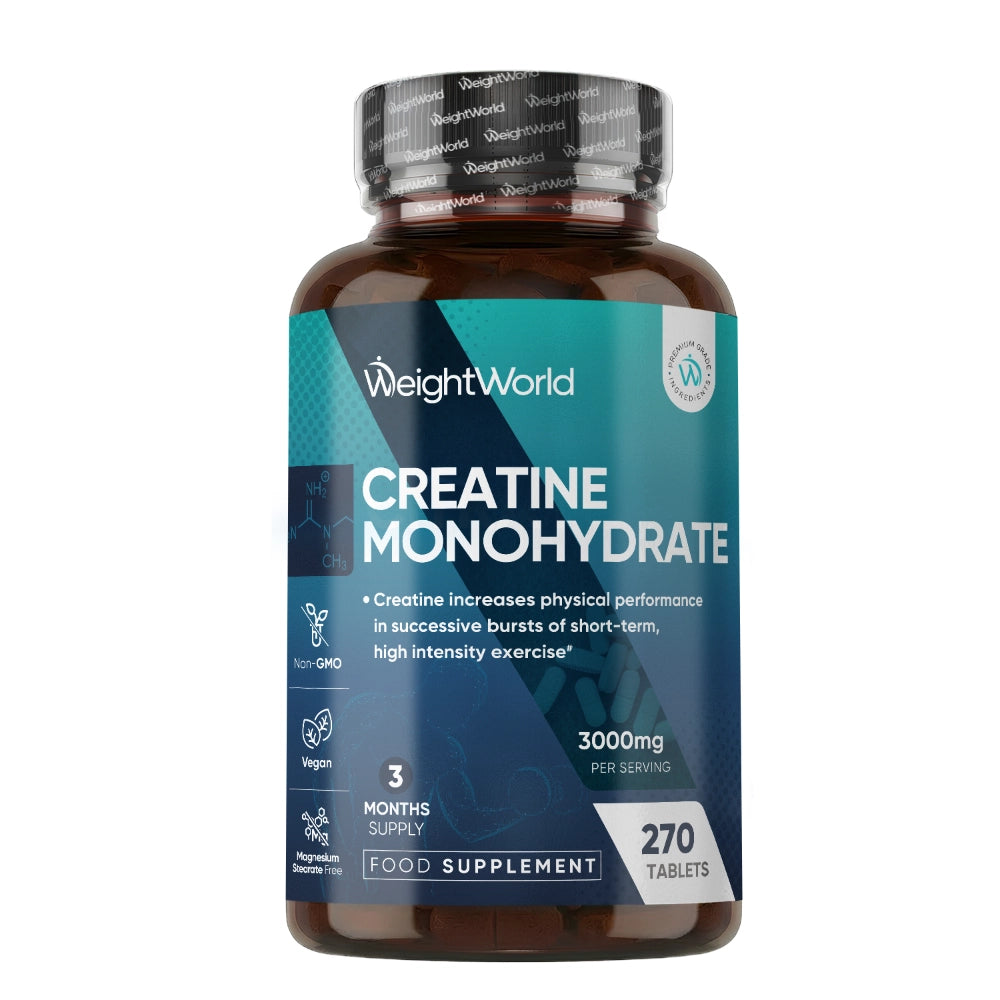
Creatine remains the most researched supplement in sports nutrition, with over 500 studies confirming its ability to increase strength, power, and lean body mass. It works by replenishing ATP stores, allowing muscles to sustain high-intensity effort for longer periods.
Key Benefits
- Improves maximal strength by 5-15%.
- Enhances muscle volumization through intracellular water retention.
- Supports faster recovery between sets and workouts.
For those seeking a reliable, cost-effective option, a daily dose of 3-5″?g of pure creatine monohydrate is sufficient. Discover expert strategies here to combine creatine with proper loading protocols and timing.
2. Whey Protein – Fast-Acting Muscle Builder
Whey protein delivers a high concentration of essential amino acids, particularly leucine, which triggers the mTOR pathway, the primary driver of muscle protein synthesis.
Choosing the Right Product
- Look for ???”?80″?% protein content per serving.
- Prefer isolates or hydrolysates if lactose sensitivity is a concern.
- Check for minimal added sugars and artificial flavors.
Consuming 20-30″?g of whey within 30 minutes post-workout maximizes anabolic response. For a curated selection of premium whey options, Learn about our tailored solutions that align with different training goals.
3. Branched-Chain Amino Acids (BCAAs) – Intra-Workout Support
BCAAs, leucine, isoleucine, and valine, are oxidized directly in skeletal muscle, making them valuable during prolonged training sessions. While whole-protein sources provide BCAAs, supplementation can help maintain nitrogen balance when training fasted or under caloric restriction.
Effective Use
- Take 5-10″?g during or immediately after workouts.
- Prioritize a leucine-rich ratio (2:1:1) for optimal signaling.
- Combine with carbohydrate intake to spare muscle glycogen.
Integrating BCAAs can reduce perceived fatigue and support muscle preservation. Explore advanced guides and tips for timing BCAA supplementation around training cycles.
4. Beta-Alanine – Buffering Muscle Acidity
Beta-alanine increases intramuscular carnosine levels, which buffers hydrogen ions and delays the onset of muscular fatigue during high-intensity efforts.
Practical Recommendations
- Consume 3.2-6.4″?g per day, split into smaller doses to avoid paresthesia.
- Loading phase of 4-6 weeks yields noticeable performance gains.
- Best paired with creatine for synergistic strength improvements.
For athletes focused on explosive movements, beta-alanine can add valuable reps to each set. Find out more about this approach and how to stack it safely with other supplements.
5. Vitamin D & Magnesium – Supporting Hormonal Health
Optimal hormone production, including testosterone, relies on adequate micronutrient status. Vitamin D deficiency is linked to reduced muscle strength, while magnesium plays a crucial role in protein synthesis and energy metabolism.
Supplementation Guidelines
- Vitamin D: 1,000-4,000″?IU daily, based on serum levels.
- Magnesium: 300-400″?mg of chelated forms (e.g., magnesium glycinate).
- Test levels annually to fine-tune dosages.
Addressing these deficiencies can enhance overall training capacity. Detailed recommendations are available within the muscle-gainers collection, where science-backed formulations are highlighted.
6. Omega-3 Fatty Acids – Reducing Inflammation
EPA and DHA from fish oil possess anti-inflammatory properties that aid recovery and may improve muscle protein synthesis sensitivity.
Dosage & Timing
- 2-3″?g of combined EPA/DHA daily.
- Take with meals containing fat for optimal absorption.
- Consistent use supports joint health during heavy loading phases.
Integrating high-quality omega-3s complements the anabolic environment created by primary muscle-building supplements. Explore advanced guides and tips on selecting purified, sustainably sourced options.
Putting It All Together – A Sample Supplement Stack
Below is a practical daily stack designed for intermediate lifters aiming for steady hypertrophy:
- Morning: 3″?g creatine monohydrate mixed in water, 1,000″?IU vitamin D, 300″?mg magnesium.
- Pre-workout (30″?min): 5″?g beta-alanine, 5″?g BCAAs.
- Post-workout: 25″?g whey protein, 2″?g creatine (if not taken earlier), 2″?g omega-3.
- Evening: 5″?g casein protein (optional for overnight synthesis), additional magnesium if needed.
This protocol balances fast-acting and slow-release proteins, maximizes ATP regeneration, and supports recovery pathways. Adjust quantities based on body weight, training intensity, and individual tolerance.
Final Thoughts
Effective muscle growth hinges on a synergy of training intensity, nutrition quality, and targeted supplementation. While no single product can replace a well-structured program, the supplements outlined above have demonstrated consistent benefits across numerous studies. Selecting high-purity formulations, adhering to evidence-based dosing, and timing intake around workouts will help translate effort in the gym into measurable gains.
For a curated range of these scientifically supported products, visit the dedicated collection and Discover expert strategies here. By combining knowledge, consistency, and the right support, the path to stronger, leaner muscle becomes clearer and more attainable.