Boost Your Health with Ashwagandha Supplement
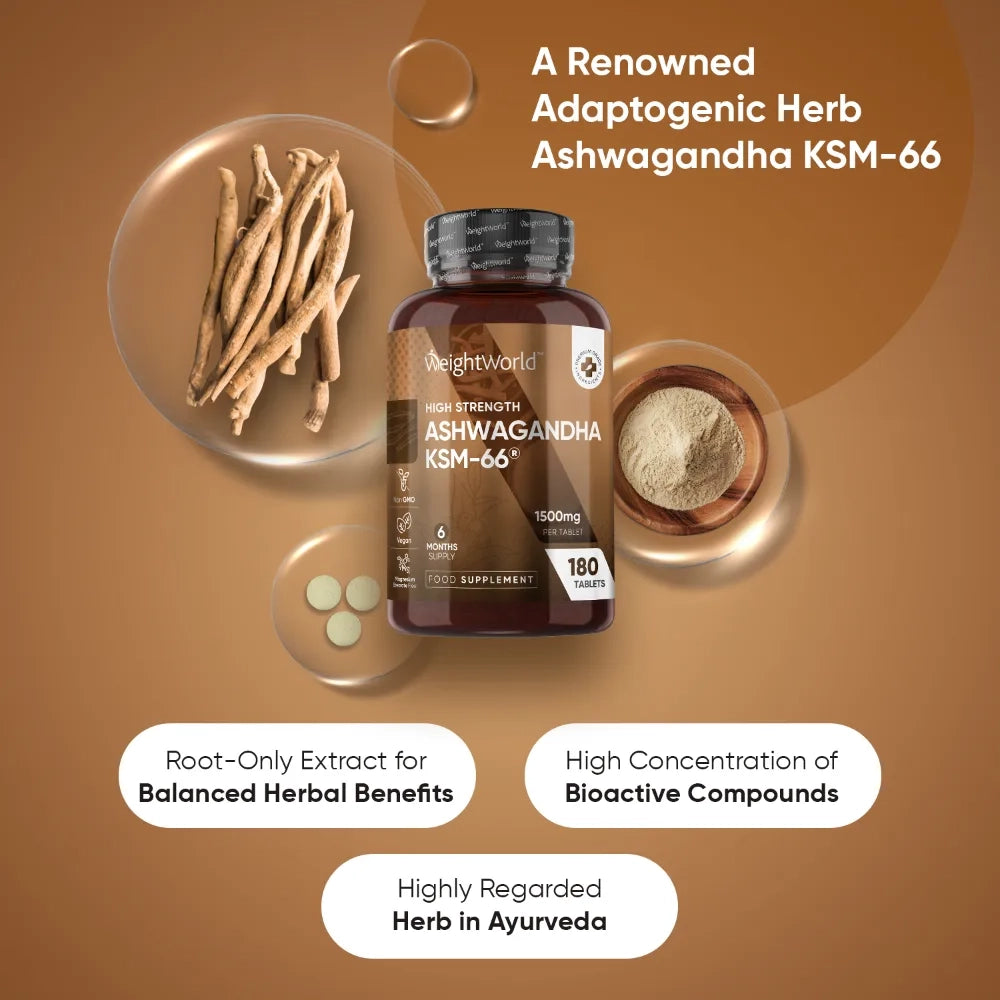
In recent years, as stress levels rise and lifestyle-related health concerns become more prevalent, many individuals are turning to adaptogenic herbs for natural support. Among these, ashwagandha stands out for its long-standing use in Ayurvedic medicine and a growing body of scientific research. When taken as a high-quality supplement, this botanical can play a pivotal role in enhancing resilience, balancing hormones, and promoting overall wellbeing. The following guide explores how ashwagandha works, the specific health benefits it offers, and practical tips for incorporating it into a daily routine.
What Is Ashwagandha and How Does It Work?
Ashwagandha (Withania somnifera) is an evergreen shrub native to India, known traditionally as “Indian ginseng.” Its roots and berries contain a group of bioactive compounds called withanolides, which are believed to modulate the body’s stress response and support cellular health. By influencing the hypothalamic-pituitary-adrenal (HPA) axis, ashwagandha helps the body adapt to physical and mental stressors, reducing cortisol spikes and promoting a calmer state of mind.
Key Mechanisms
- Stress modulation: Lowers cortisol levels, helping the body manage acute and chronic stress.
- Neuroprotective activity: Supports antioxidant pathways that protect brain cells from oxidative damage.
- Hormonal balance: Influences thyroid and testosterone pathways, aiding metabolic and reproductive health.
Top Health Benefits Supported by Research
While individual results may vary, a growing number of clinical trials highlight several areas where ashwagandha supplementation can make a measurable difference.
1. Reduces Stress and Anxiety
Multiple randomized, double-blind studies have shown that a daily dose of 300-600″?mg of standardized ashwagandha extract can significantly lower perceived stress scores and anxiety levels compared with placebo.
2. Enhances Physical Performance
Athletes and active individuals often report improvements in endurance, strength, and recovery time. Research suggests that the herb’s anti-inflammatory properties help reduce muscle damage after intense workouts.
3. Supports Cognitive Function
By mitigating oxidative stress and supporting neurotransmitter balance, ashwagandha may improve memory, attention, and processing speed, especially in adults experiencing age-related cognitive decline.
4. Balances Blood Sugar and Lipids
Preliminary studies indicate that regular supplementation can help maintain healthy glucose levels and improve lipid profiles, contributing to cardiovascular health.
Choosing a High-Quality Ashwagandha Supplement
Not all ashwagandha products are created equal. For optimal results, consider the following criteria when selecting a supplement:
- Standardization: Look for extracts standardized to contain at least 5″?% withanolides, which ensures consistent potency.
- Purity: Choose brands that test for heavy metals, pesticides, and microbial contaminants.
- Formulation: Capsules, tablets, and powdered forms are common; select the delivery method that fits your lifestyle.
- Third-party verification: Certifications such as NSF or USP add an extra layer of confidence.
For a reliable option that meets these standards, explore a reputable ashwagandha supplement from a trusted retailer.
How to Incorporate Ashwagandha Into Your Daily Routine
Integrating ashwagandha into everyday life is straightforward. Below are practical suggestions to maximize absorption and benefits.
- Timing: Take the supplement with a meal containing healthy fats to enhance the absorption of fat-soluble withanolides.
- Dosage: Start with a lower dose (e.g., 300″?mg) and gradually increase to the recommended amount based on personal tolerance.
- Consistency: Benefits accumulate over weeks; aim for at least 8-12″?weeks of regular use before assessing outcomes.
- Stacking: Pair with other adaptogens like rhodiola or magnesium for synergistic stress-reduction effects.
Potential Side Effects and Precautions
Ashwagandha is generally well-tolerated, but certain individuals should exercise caution.
- Pregnant or breastfeeding women should consult a healthcare professional before use.
- People with autoimmune conditions or thyroid disorders should monitor hormone levels under medical guidance.
- High doses may cause mild gastrointestinal upset; reducing the dose often resolves this issue.
Conclusion: A Natural Ally for Modern Wellness
In a world where stress, sedentary habits, and nutritional gaps are common, ashwagandha offers a scientifically backed, plant-based solution to support mental clarity, physical stamina, and metabolic health. By selecting a high-quality, standardized product and adhering to a consistent supplementation schedule, individuals can experience measurable improvements in resilience and overall wellbeing. As research continues to unfold, this ancient adaptogen is poised to remain a cornerstone of evidence-based natural health strategies.