Enhancing Landscape Visual Assessment Techniques
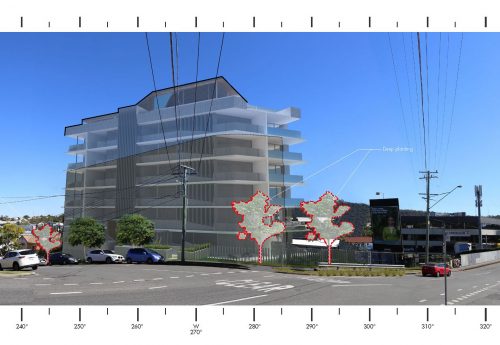
Landscape visual assessment is a critical component of environmental planning and design, providing a systematic analysis of visual and aesthetic values within landscapes. As the demand for sustainable and aesthetically pleasing environments increases, the need for enhanced assessment techniques becomes more pronounced. This article delves into the advanced methods and tools that are reshaping the way landscapes are evaluated, ensuring that they meet both ecological and visual standards. The integration of technology and innovative methodologies plays a pivotal role in achieving a comprehensive understanding of landscape aesthetics.
Innovative Techniques in Landscape Visual Assessment
The evolution of landscape visual assessment techniques has been significantly influenced by advancements in technology. These innovations not only improve the accuracy of evaluations but also provide a more immersive experience for stakeholders. Key techniques include:
- 3D Visualization: This technology allows for the creation of detailed, three-dimensional models of landscapes, enabling a more in-depth analysis of visual impacts. Such models offer a realistic preview of proposed changes, facilitating better decision-making.
- Geographic Information Systems (GIS): GIS tools assist in mapping and analyzing visual elements within landscapes. These systems provide valuable data that supports the identification of visual corridors and the assessment of visual impacts. Learn more in this detailed guide.
- Virtual Reality (VR): By simulating real-world environments, VR provides an interactive experience where users can engage with landscape designs before implementation. This approach helps in identifying potential visual disruptions early in the planning process.
- Remote Sensing: Utilizing satellite imagery and aerial photography, remote sensing offers comprehensive data on landscape features. This information is crucial for assessing visual changes over large areas. Explore further insights here.
Integrating Aesthetic and Functional Aspects
A holistic approach to landscape visual assessment considers both aesthetic and functional elements. By integrating these aspects, planners and designers can create environments that are visually appealing and serve their intended purpose effectively.
Balancing Aesthetics and Functionality
- Aesthetic Considerations: It is essential to evaluate the visual harmony of a landscape, considering elements such as color, texture, and form. These factors contribute to the overall visual experience and should be carefully assessed during the planning phase.
- Functional Requirements: Landscapes must meet specific practical needs, such as drainage, accessibility, and environmental sustainability. Balancing these requirements with aesthetic goals ensures that landscapes are both beautiful and functional. Read more about this topic.
Challenges and Solutions in Landscape Visual Assessment
Despite advancements, landscape visual assessment faces several challenges, including subjective interpretations and environmental changes. Addressing these challenges requires innovative solutions and ongoing research.
Overcoming Subjectivity
- Standardization of Criteria: Developing standardized assessment criteria can help minimize subjective interpretations. This involves creating clear guidelines that outline the key visual elements to be evaluated.
- Stakeholder Engagement: Involving stakeholders in the assessment process can provide diverse perspectives and reduce bias. Engaging communities ensures that their values and preferences are considered, leading to more acceptable outcomes. Find additional information here.
Adapting to Environmental Changes
- Dynamic Assessment Models: The use of dynamic models that can adapt to changing environmental conditions is essential. These models allow for continuous monitoring and adjustment of landscape plans as needed.
- Climate Resilience: Incorporating climate resilience into landscape designs helps mitigate the impacts of climate change, ensuring that landscapes remain visually and functionally robust over time.
The advancement of landscape visual assessment techniques is crucial for developing sustainable and aesthetically pleasing environments. By leveraging innovative technologies and methodologies, planners and designers can enhance the evaluation process, providing a comprehensive understanding of landscape aesthetics. As the field continues to evolve, ongoing research and collaboration will be key to overcoming challenges and achieving balanced, visually appealing landscapes. For more insights into this evolving field, consider exploring additional resources and expert analyses.