Expert Tree Evaluations for Effective Sustainable Development
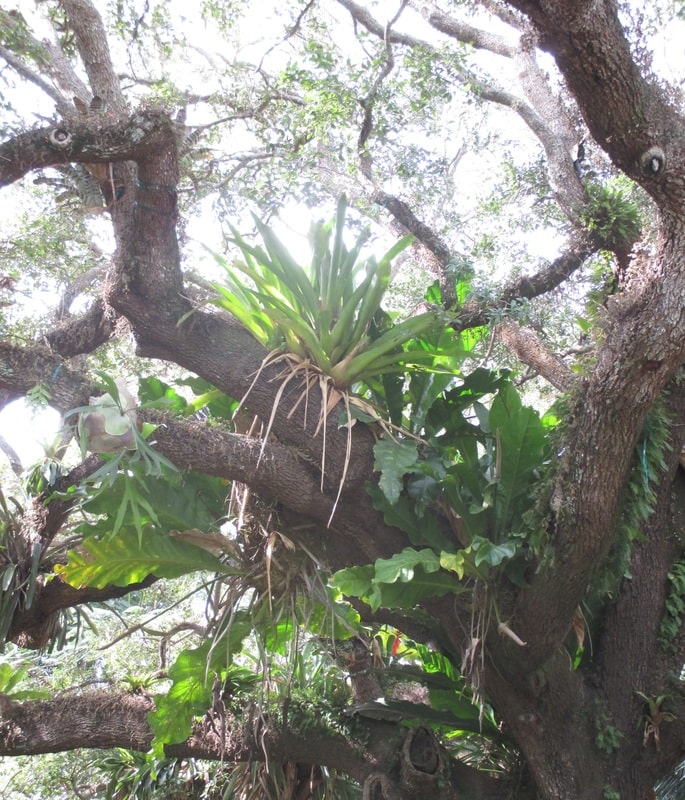
In the quest for sustainable development, understanding and integrating the value of natural resources is vital. Trees, as a crucial component of ecological balance, require expert evaluations to ensure development projects are both environmentally friendly and sustainable. The significance of trees goes beyond aesthetics, playing a pivotal role in carbon sequestration, biodiversity, and climate regulation. As urbanization continues, the need for expert tree evaluations becomes increasingly important to maintain ecological harmony and promote sustainable growth.
The Importance of Tree Evaluations
Tree evaluations serve as a cornerstone in the planning and execution of sustainable development projects. These evaluations provide insights into:
- The health and stability of trees in a given area.
- Potential risks posed by trees to infrastructure and public safety.
- Environmentally significant trees that require conservation.
- Improving urban planning by integrating green spaces.
Read more about this topic here.
Components of a Tree Evaluation
An expert tree evaluation typically comprises several key components:
- Tree Health Assessment: Evaluates the physiological condition of trees, identifying diseases, pests, and structural issues.
- Risk Assessment: Determines the likelihood of tree failure and potential impacts on people and property.
- Ecological Importance: Assesses the role of trees in supporting local biodiversity and ecosystem services.
- Valuation: Estimates the economic, environmental, and social value of trees.
Explore further insights here.
Benefits of Integrating Tree Evaluations in Development
Incorporating detailed tree evaluations in development plans offers numerous benefits:
- Enhanced Environmental Conservation: Preserves vital ecosystems by identifying and conserving high-value trees.
- Minimized Risks: Reduces the likelihood of tree-related accidents and damage to infrastructure.
- Improved Aesthetics and Well-being: Maintains green spaces that enhance urban landscapes and promote mental health.
- Increased Property Value: Properties with well-maintained trees often have higher market values.
Learn more in this detailed guide here.
Challenges in Tree Evaluations
Despite the benefits, several challenges may arise during tree evaluations:
- Access to Expertise: Requires skilled professionals with extensive knowledge of arboriculture and ecology.
- Resource Allocation: Involves considerable time and financial investment for comprehensive assessments.
- Balancing Development and Conservation: Finding a harmonious balance between development needs and environmental preservation.
Find additional information here.
Conclusion
Expert tree evaluations are indispensable for effective sustainable development. They not only safeguard the ecological integrity of development sites but also ensure that projects contribute positively to the environment and society. By integrating these evaluations into planning processes, stakeholders can make informed decisions that promote long-term sustainability. As urban areas expand, embracing the practice of thorough tree evaluations will be crucial in maintaining the balance between development and nature. For more resources and information on sustainable development practices, visit this website.