High Rise Cladding Solutions for Structural Stability
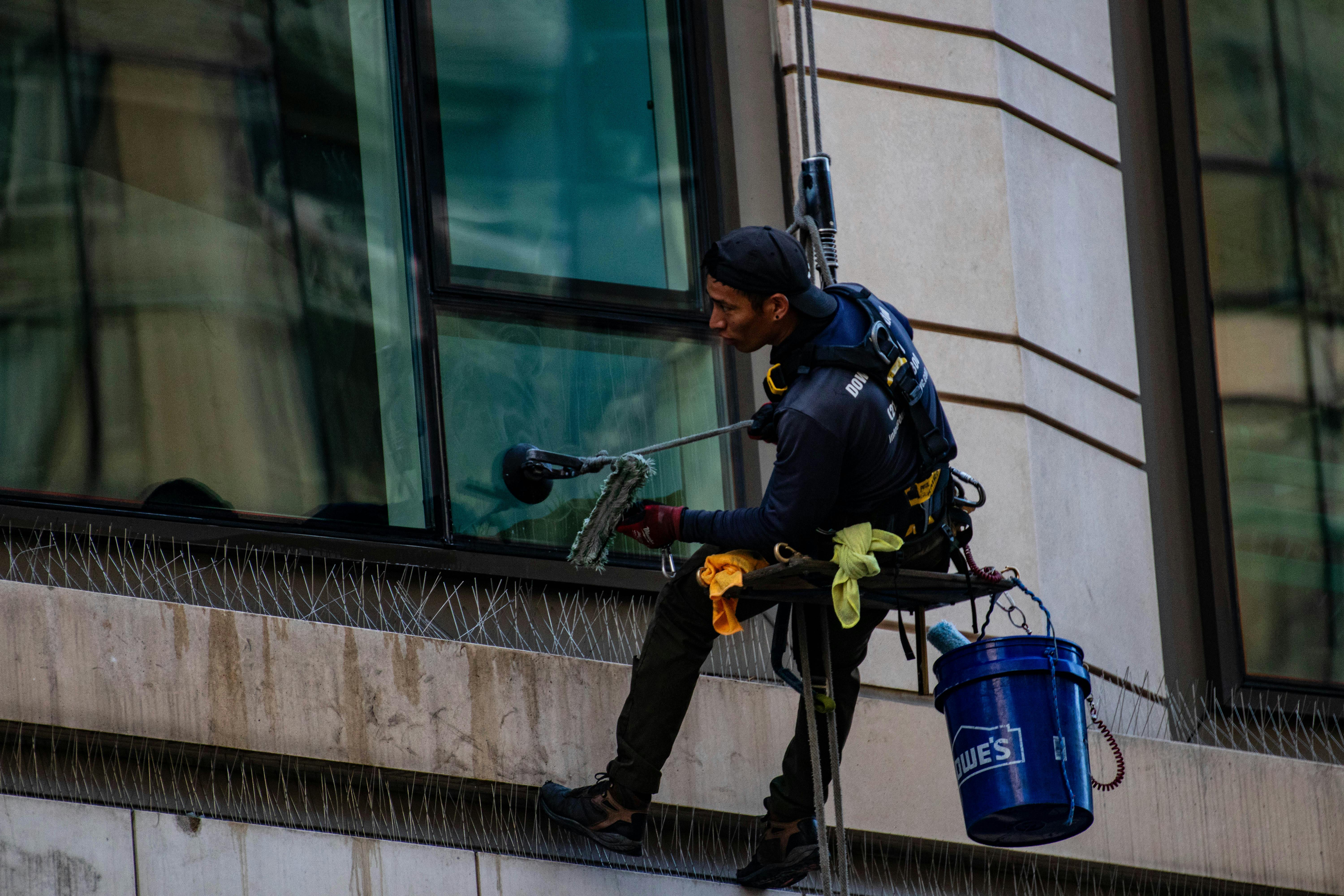
As urban landscapes continue to evolve, high-rise buildings are becoming increasingly prevalent, necessitating innovative solutions for structural stability. Cladding systems play a crucial role in ensuring the safety, aesthetic appeal, and energy efficiency of these towering structures. The selection of appropriate cladding materials and systems is vital not only for the durability and functionality of the building but also for its environmental performance. This article explores various cladding solutions that contribute to the structural stability of high-rise buildings, considering factors such as material selection, design integration, and compliance with safety standards.
Understanding Cladding and its Importance
Cladding refers to the application of one material over another to provide a skin or layer. In high-rise buildings, cladding serves multiple purposes:
- Enhances the building’s aesthetic appearance.
- Provides thermal insulation and energy efficiency.
- Protects the structure from weather elements and external impacts.
- Improves acoustic performance by reducing noise transmission.
- Ensures fire resistance and safety compliance.
For a comprehensive understanding of cladding and its importance, read more about this topic.
Types of Cladding Materials
Selecting the right cladding material is essential for maintaining the structural integrity and longevity of high-rise buildings. Here are some commonly used cladding materials:
Metal Cladding
Metal cladding, including aluminum and steel, offers a sleek and modern appearance. It is known for its durability, lightweight properties, and ease of installation. Metal cladding systems are often utilized for their ability to withstand harsh weather conditions and resist corrosion.
Glass Cladding
Glass cladding provides a contemporary and elegant finish, allowing natural light to permeate the building. It is often used in combination with other materials to enhance thermal performance and energy efficiency. Despite its aesthetic appeal, considerations for glare and thermal insulation are necessary.
Composite Panels
Composite panels, made from a combination of materials such as metal and polymer, offer excellent strength-to-weight ratios. They are versatile and can be customized to meet specific design and performance criteria. Composite panels are renowned for their fire resistance and structural integrity.
To explore further insights into cladding materials, explore further insights here.
Design and Installation Considerations
The design and installation of cladding systems must account for several factors to ensure the stability and safety of high-rise buildings:
- Compliance with local building codes and safety regulations.
- Integration with the building’s structural framework.
- Consideration of environmental impacts and sustainability.
- Assessment of wind load and thermal movement.
- Selection of appropriate fastening systems to accommodate expansion and contraction.
For designers and installers seeking detailed guidance, learn more in this detailed guide.
Maintenance and Longevity
Regular maintenance is crucial to ensure the long-term performance of cladding systems. This includes routine inspections, cleaning, and repairs to address any wear and tear or damage caused by environmental factors. Proper maintenance not only extends the lifespan of the cladding but also safeguards the building’s occupants and assets.
Find additional information on maintenance best practices here.
In conclusion, high-rise cladding solutions are integral to the structural stability and aesthetic value of modern buildings. By selecting suitable materials, adhering to design and installation standards, and maintaining the cladding systems, architects and builders can ensure the safety and longevity of these urban giants.