Increase Efficiency with Updated Menu Boards
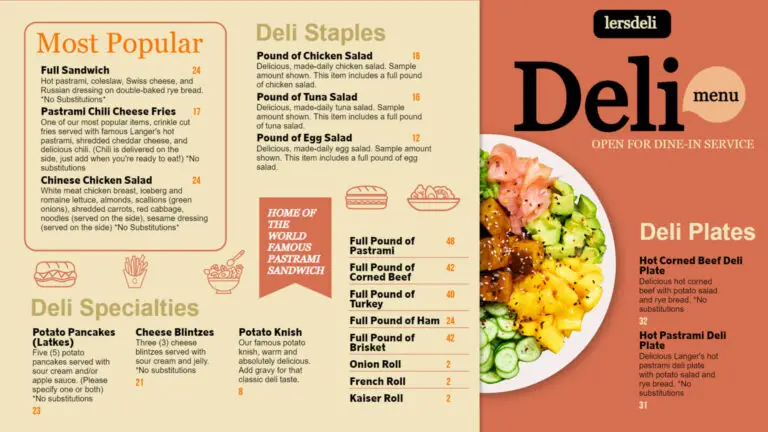
In today’s fast-paced world, the importance of efficiency in the food service industry cannot be overstated. With the rising demand for quick service and the ever-evolving expectations of customers, businesses must leverage every tool at their disposal to stay ahead of the competition. One such tool that has proven to be particularly effective is the updated menu board. Not only do these boards enhance customer experience, but they also streamline operations, providing a competitive edge. As the industry continues to evolve, embracing innovative solutions such as updated menu boards is crucial for maintaining efficiency and customer satisfaction.
Benefits of Updated Menu Boards
Updated menu boards offer a multitude of benefits that go beyond mere aesthetics. Here are some of the key advantages that businesses can experience by implementing modern menu boards:
- Enhanced Visibility: Digital displays are brighter and more engaging than traditional static boards, capturing the attention of customers quickly.
- Real-Time Updates: Changes to the menu can be made instantly and seamlessly, allowing for quick adaptation to inventory changes or promotional offers.
- Improved Customer Experience: Clear, dynamic displays can make it easier for customers to browse options and make quicker decisions.
- Cost-Effective: While the initial investment may be higher, digital menu boards reduce the cost of printing and reprinting static menus.
Discover expert strategies here for integrating updated menu boards effectively into your business model.
How Updated Menu Boards Enhance Efficiency
Incorporating updated menu boards into a business’s setup can significantly boost operational efficiency. Here’s how they contribute to smoother operations:
Streamlined Communication
Digital menu boards facilitate seamless communication both internally and externally. Employees can easily understand which items are being promoted or are in high demand, allowing for better preparation and service. Additionally, customers gain quick access to all necessary information, reducing questions and confusion at the point of sale.
Flexibility and Adaptability
One of the standout features of digital menu boards is their flexibility. Businesses can quickly adapt to seasonal changes, new product launches, or daily specials without the hassle of printing new materials. This adaptability allows businesses to respond swiftly to market trends and customer preferences. Learn about tailored solutions here to enhance your menu board strategy.
Data-Driven Decisions
Modern menu boards can be integrated with analytics tools, providing valuable insights into customer preferences and sales trends. By analyzing this data, businesses can make informed decisions that drive sales and improve customer satisfaction. Explore advanced guides and tips here to make data-driven decisions with updated menu boards.
Implementing Updated Menu Boards
The transition to updated menu boards should be strategic, ensuring that the technology aligns with business objectives and customer expectations. Here are some crucial steps to consider:
- Assess Needs: Evaluate what your business requires in a menu board, considering factors such as location, target audience, and menu complexity.
- Select the Right Technology: Choose digital boards that offer the features and functionalities needed to support your business goals.
- Train Staff: Ensure that employees are well-trained to update and maintain the digital boards, maximizing their potential.
- Test and Optimize: Regularly test the effectiveness of the menu boards and make necessary adjustments based on customer feedback and sales data.
Find out more about this approach here to ensure a successful implementation of updated menu boards.
In summary, updated menu boards are more than just a modern convenience; they are a strategic tool for enhancing efficiency and customer satisfaction in the food service industry. By investing in these dynamic displays, businesses can not only improve the customer experience but also streamline operations, ultimately leading to increased profitability and competitiveness in the market.